National council tax guide
Council Tax Bands by Postcode
Use this guide as the national starting point for checking a council tax band. It explains how postcode band lookups work, what a useful neighbour comparison looks like, and what to do if the band looks wrong.
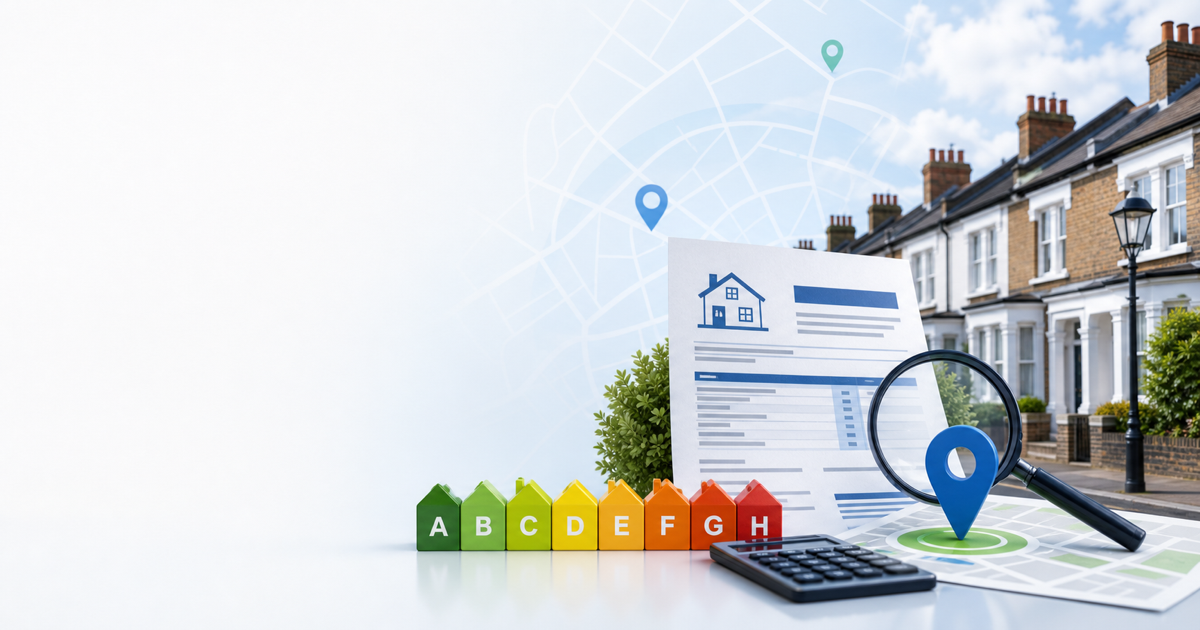
Start with the postcode, then compare like-for-like
A postcode lookup is useful because it shows you nearby properties in the same immediate market. The key is not simply finding one lower band in the same postcode. The strongest evidence comes from similar homes: same street, same property type, similar size, similar age, and no obvious extension difference.
For England and Wales, council tax bands are based on historic property values. England still uses 1 April 1991 values. Wales uses 1 April 2003 values after revaluation. Scotland has its own assessor route and Northern Ireland does not use the same council tax band system.
What the bands mean in England
- Band A: up to GBP 40,000 in 1991
- Band B: GBP 40,001 to GBP 52,000
- Band C: GBP 52,001 to GBP 68,000
- Band D: GBP 68,001 to GBP 88,000
- Band E: GBP 88,001 to GBP 120,000
- Band F: GBP 120,001 to GBP 160,000
- Band G: GBP 160,001 to GBP 320,000
- Band H: more than GBP 320,000
If your property looks like it should sit in a different band, use the 1991 property value calculator as a sense check, then compare your home with real nearby addresses.
Check your band before you act
Use the free checker to compare nearby homes, then use the guides below to decide whether a discount, refund, or appeal route makes sense.
When a postcode result suggests your band may be wrong
Look for a clear pattern. One lower-banded neighbour may not prove anything. Several similar lower-banded properties on the same street is stronger. So is a row of nearly identical homes where only one property sits in a higher band.
Before challenging, check whether your home has a larger footprint, major extension, separate annex, unusual plot, or a post-1991 change that could explain the difference. If not, collect screenshots, addresses, property type notes, and sale-price evidence where available.
Next step
Run the postcode check, save the comparable addresses, then read the appeal guide before contacting the VOA or your local assessment body. If you have already overpaid, also read the refund guide.
Frequently Asked Questions
Can I check council tax bands by postcode for free? expand_more
Yes. Council tax band data is publicly searchable. You can use Council Tax Checker for a faster comparison view or use the official government/assessment body lookup.
Does every property in one postcode have the same band? expand_more
No. Homes in the same postcode can have different bands because each property is assessed individually.
What is the strongest evidence for a band challenge? expand_more
A set of similar nearby homes in lower bands, backed by property type, size, sale-price, and 1991 value evidence.