National council tax guide
Council Tax Bands and Prices
Council tax prices are not set nationally. The band decides the proportion you pay, but your local council sets the Band D charge that all other bands are calculated from.
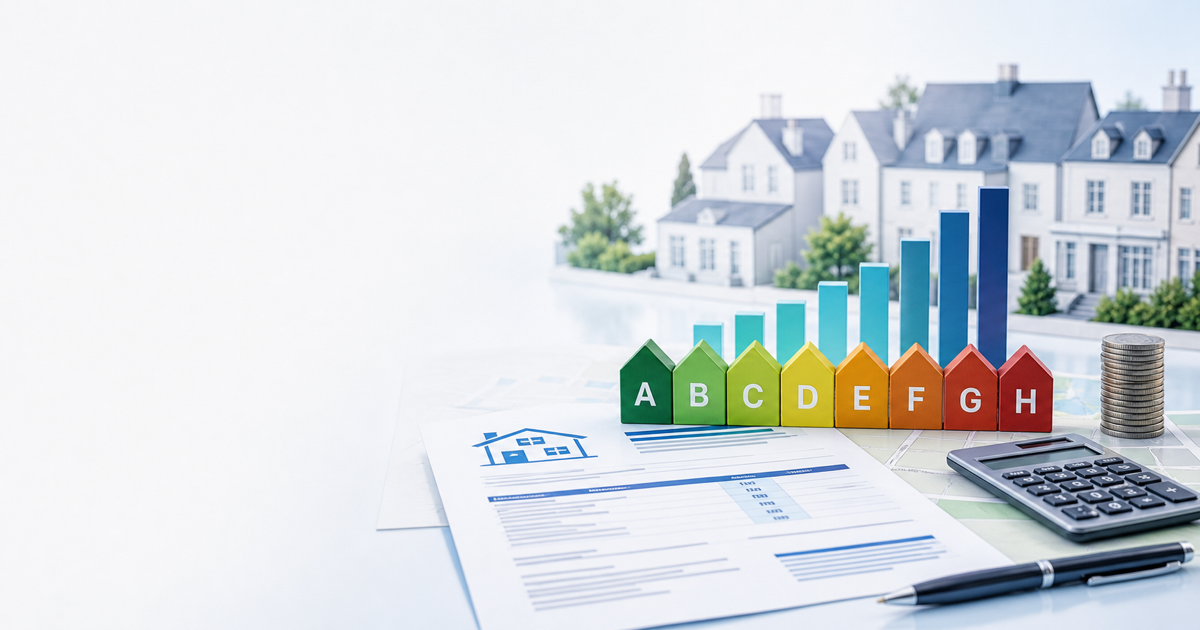
Band D is the benchmark
Council tax bills are usually expressed against Band D. A Band A property pays a lower proportion of the Band D charge, while Bands E-H pay more. That is why two Band C homes in different councils can have very different bills.
Use all areas to compare local council pages and see how charges differ across the UK.
England band proportions
- Band A: 6/9 of Band D
- Band B: 7/9 of Band D
- Band C: 8/9 of Band D
- Band D: 9/9 benchmark
- Band E: 11/9 of Band D
- Band F: 13/9 of Band D
- Band G: 15/9 of Band D
- Band H: 18/9 of Band D
Check your band before you act
Use the free checker to compare nearby homes, then use the guides below to decide whether a discount, refund, or appeal route makes sense.
Why prices vary so much
Local authority budgets, police and fire precepts, parish charges, social care pressures, and local policy all affect the final bill. The same band can therefore cost much more in one area than another.
When band prices suggest a checking opportunity
If moving from one band to the next changes your bill by hundreds of pounds per year, it is worth checking whether the band is accurate. Start with the postcode band checker and compare similar nearby homes.
Frequently Asked Questions
Are council tax prices the same everywhere? expand_more
No. Bands use national proportions, but each council sets its own charge, so prices vary by area.
Why is Band D used so often? expand_more
Band D is the benchmark used to express council tax levels and calculate the charges for other bands.
Can a wrong band affect my price? expand_more
Yes. If your home is in a higher band than it should be, you may pay too much every year and may be owed a refund if corrected.